Updated
Mono-material PE: what recyclable bags require technically
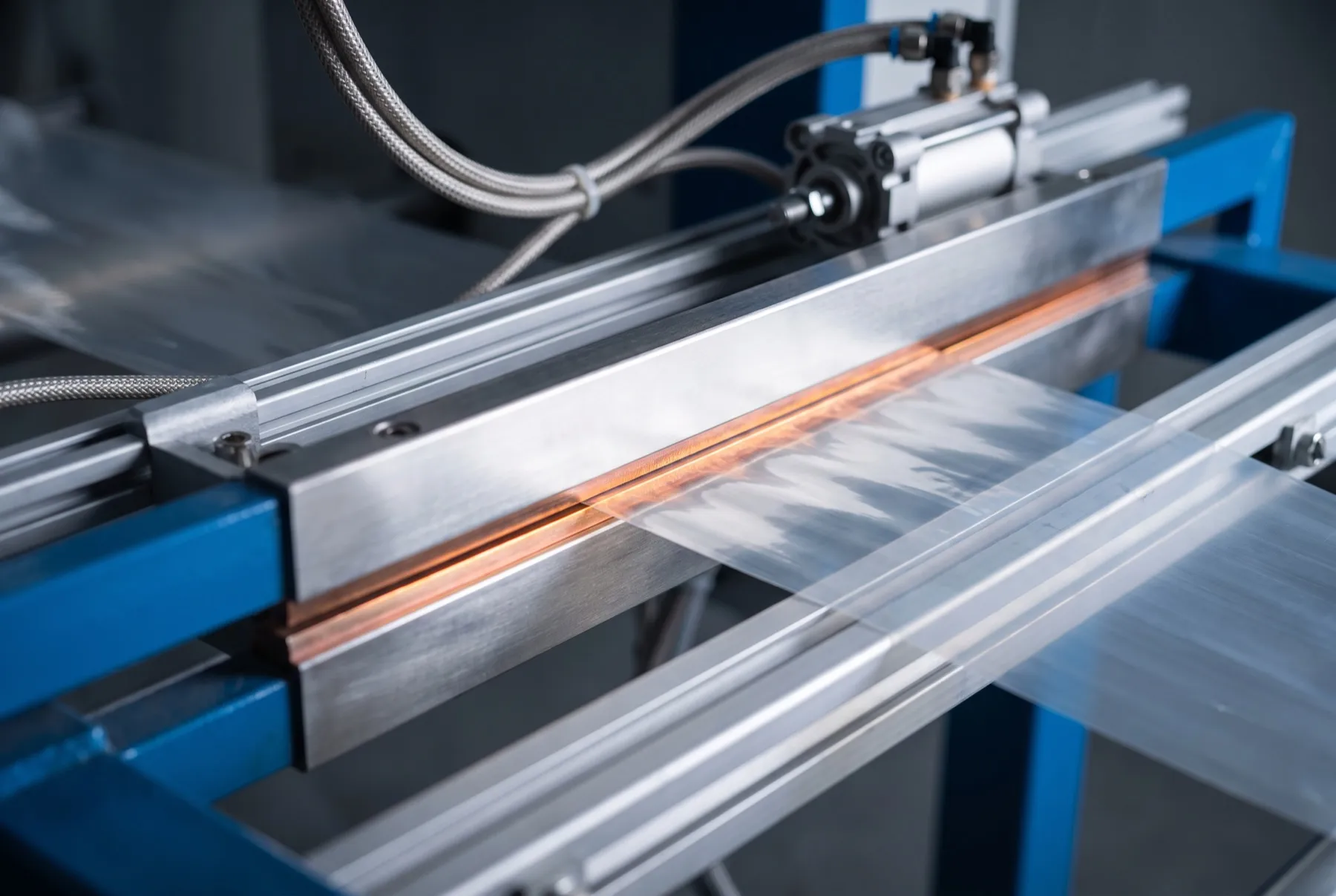
Mono-material PE bags consist of a single polymer family and can be recycled as one stream. Technically this demands a narrower sealing window than laminate: PE begins to melt just above sealing temperature. Pulse sealing with a defined heating phase and active cooling holds that window.
What mono-material means
A classic packaging film is a laminate: PET for strength and printability, aluminium or EVOH as barrier, PE as sealing layer. Functionally that is efficient. In recycling it is a problem, because the layers cannot be separated cleanly. The laminate ends up incinerated.
Mono-material means all layers belong to the same polymer family, usually polyethylene. The bag can then be recycled as a PE stream.
Why sealing becomes harder
In a laminate each layer has a job: the outer PET stays dimensionally stable at sealing temperature and protects the film while the inner PE melts. That is why the process window is wide.
With mono-PE this division of labour is gone. Sealing and carrier layer are the same material with a similar melting range. Too little heat: no bond. Too much: the film melts through or thins at the seam and tears. A few degrees separate the two.
Pulse sealing: holding the process window
Conventional sealing bars are permanently hot. The actual joining temperature varies with cycle time, ambient temperature and film thickness, which is too much for mono-PE.
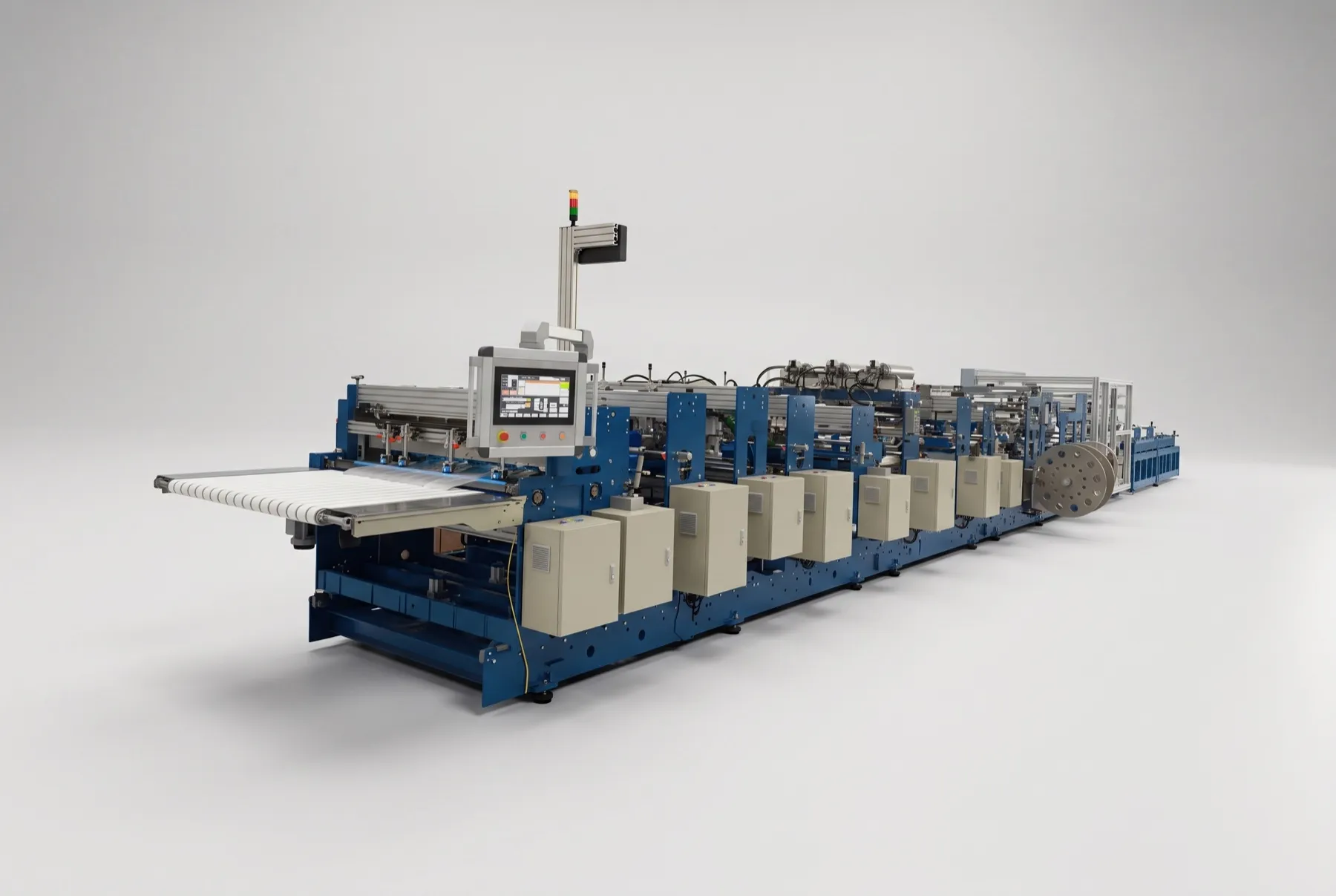
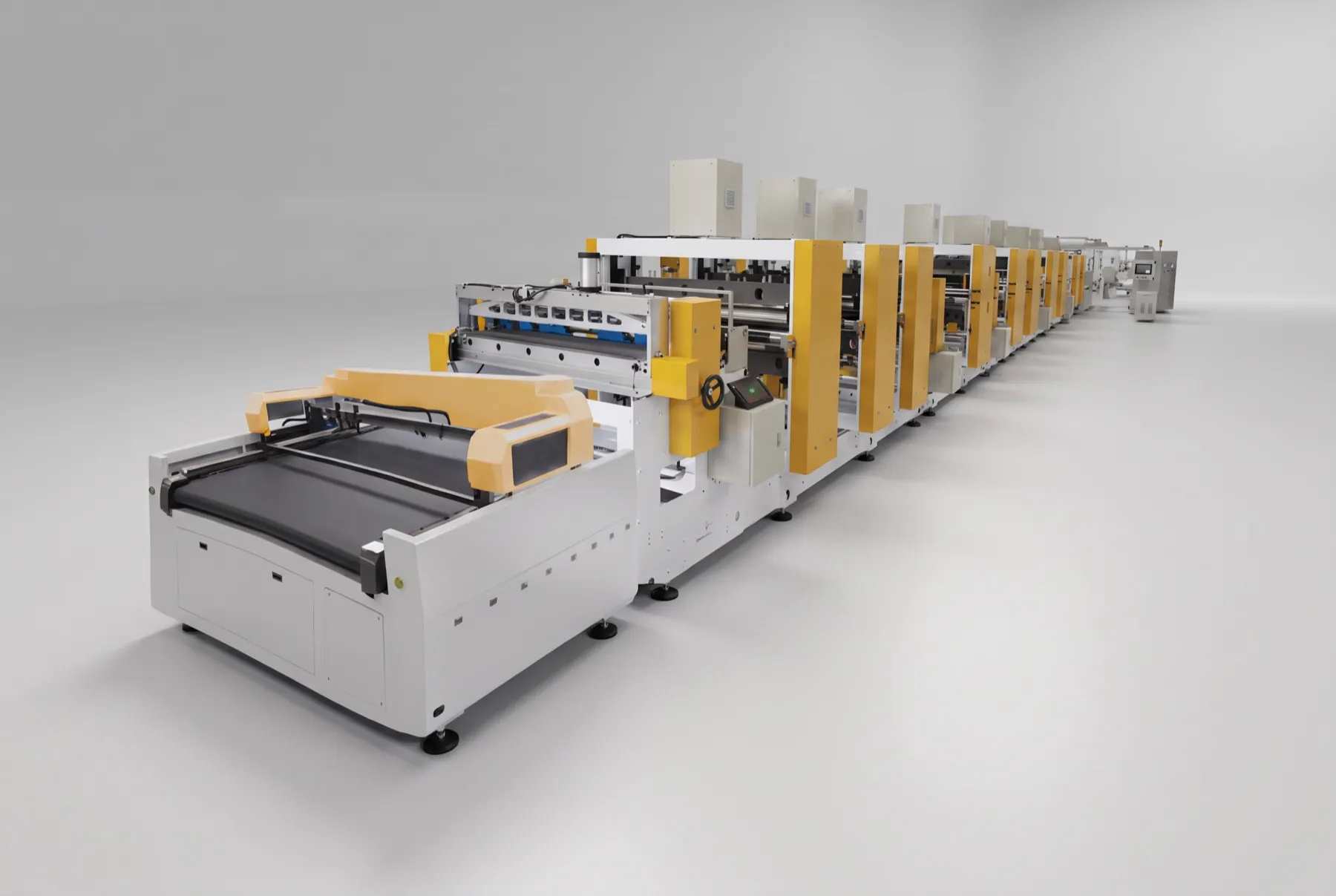
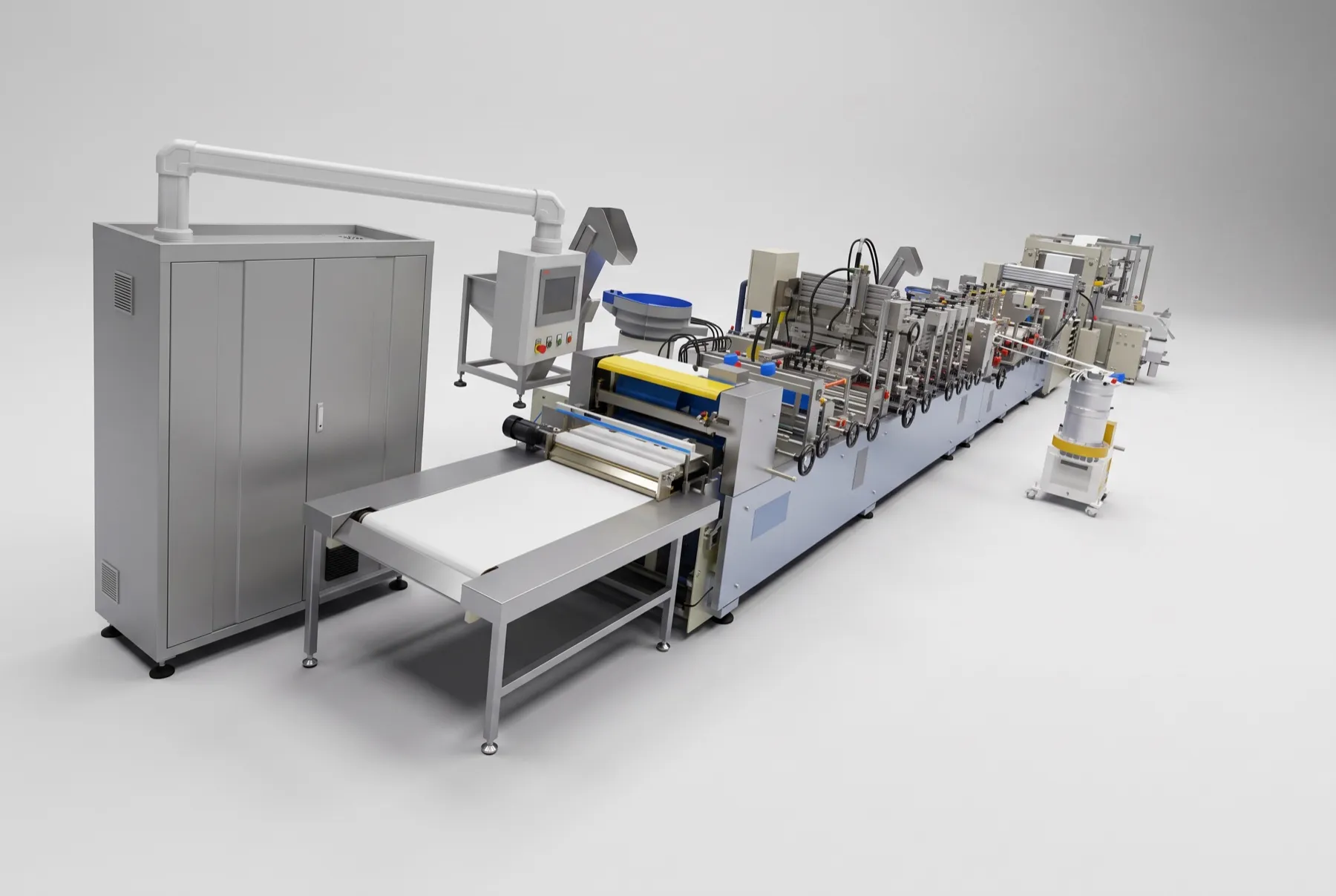
Pulse sealing heats only at the moment of sealing. In the DLP series Intelligent line that is roughly 0.85 seconds to 150 °C, followed by active cooling to 60 °C in about one second. The seam solidifies under pressure instead of being released while hot. That yields reproducible seal strength and makes the narrow window manageable at all.
- Heating phase: about 0.85 s to 150 °C
- Cooling phase: about 1 s to 60 °C under pressure
- No pre-heating, so no warm-up time at start-up
- Process parameters stored per format as a recipe
Where the limits are
Mono-PE does not replace every laminate. Without an aluminium or EVOH layer the oxygen and aroma barrier drops. For products with long shelf-life requirements that can be decisive. There either the laminate stays or a PE-based barrier solution is used with corresponding testing.
Second point: a PE bag with a valve or spout made from a different plastic is no longer a mono-material product. If recyclability is the goal, the closure elements must be PE-based too.
Practical sequence
Check your product’s shelf-life requirement first, then the available mono-PE structures, then the closure elements and only after that the machine. The reverse order produces expensive mistakes.
If the mono-material route is viable, the machine must handle pulse sealing with reproducible recipes. Retrofitting is not practical on conventional sealing technology.
Frequently asked questions
Is mono-material PE always recyclable?
- Recyclable means separable as one stream and feedable into existing recovery routes. A mono-PE bag qualifies provided closure elements and inks do not prevent it and a collection system exists. Material choice alone is not enough.
Can I simply replace laminate with mono-PE?
- Only if the barrier properties match the shelf-life requirement. Without an aluminium or EVOH layer the oxygen barrier drops. This must be checked per product and confirmed with storage trials.
Which DLP models process mono-material?
- All Intelligent line models with pulse sealing: the BIB models, the liner and flexitank machines and the DLP-1300DD Medical. The classic line models are designed for laminates.