Updated
Bag-in-box explained: structure, valve or spout, volume ranges
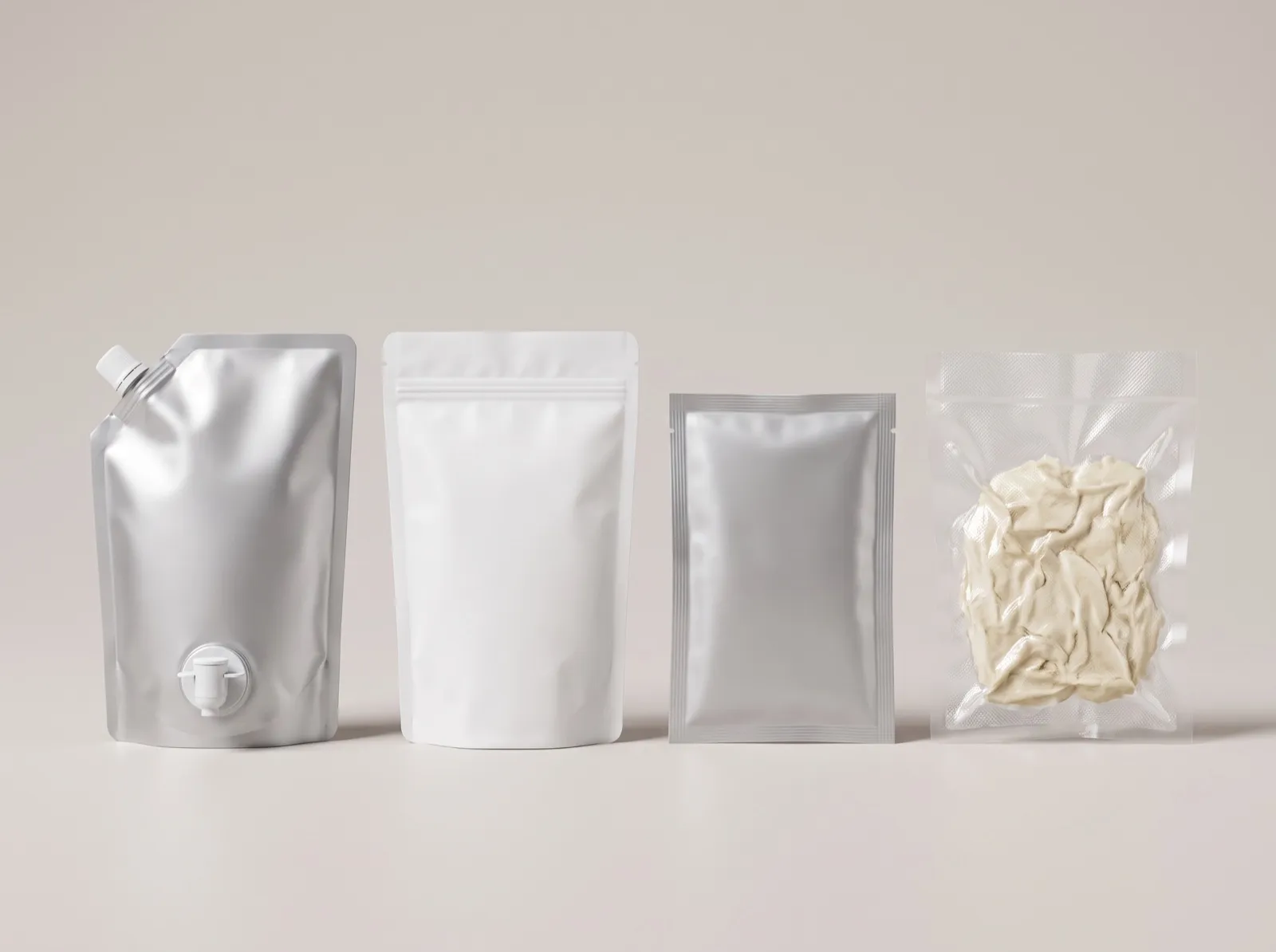
Bag-in-box is a two-part pack: a flexible inner bag with valve or spout holds the liquid while a folding carton provides stability and transport protection. The bag collapses as it empties so no oxygen enters, extending shelf life after opening.
The structure: two components, clear division of tasks
The inner bag is a sealed film envelope with an integrated closure. It carries no load, only the barrier function. The outer carton provides stability, stackability and the printable surface.
This separation is the reason for the material efficiency: barrier film is used only where it is needed, board only where strength is required.
Why shelf life after opening improves
With a rigid bottle, air flows in as you pour. Oxygen in the headspace oxidises the product, and wine or juice changes within days.
A bag-in-box pouch collapses instead. The valve lets liquid out but no air in. Without oxygen contact the contents stay unchanged much longer. That effect, not the price, is the real argument for this pack format.
Valve or spout: decided by the user
A valve is a flat closure pierced by the filling line that closes automatically. It is optimised for the filling process and typical for beverage BIB and industrial applications.
A spout is a protruding fitment with a screw cap, designed for the end consumer. It costs more but is easier to use in retail.
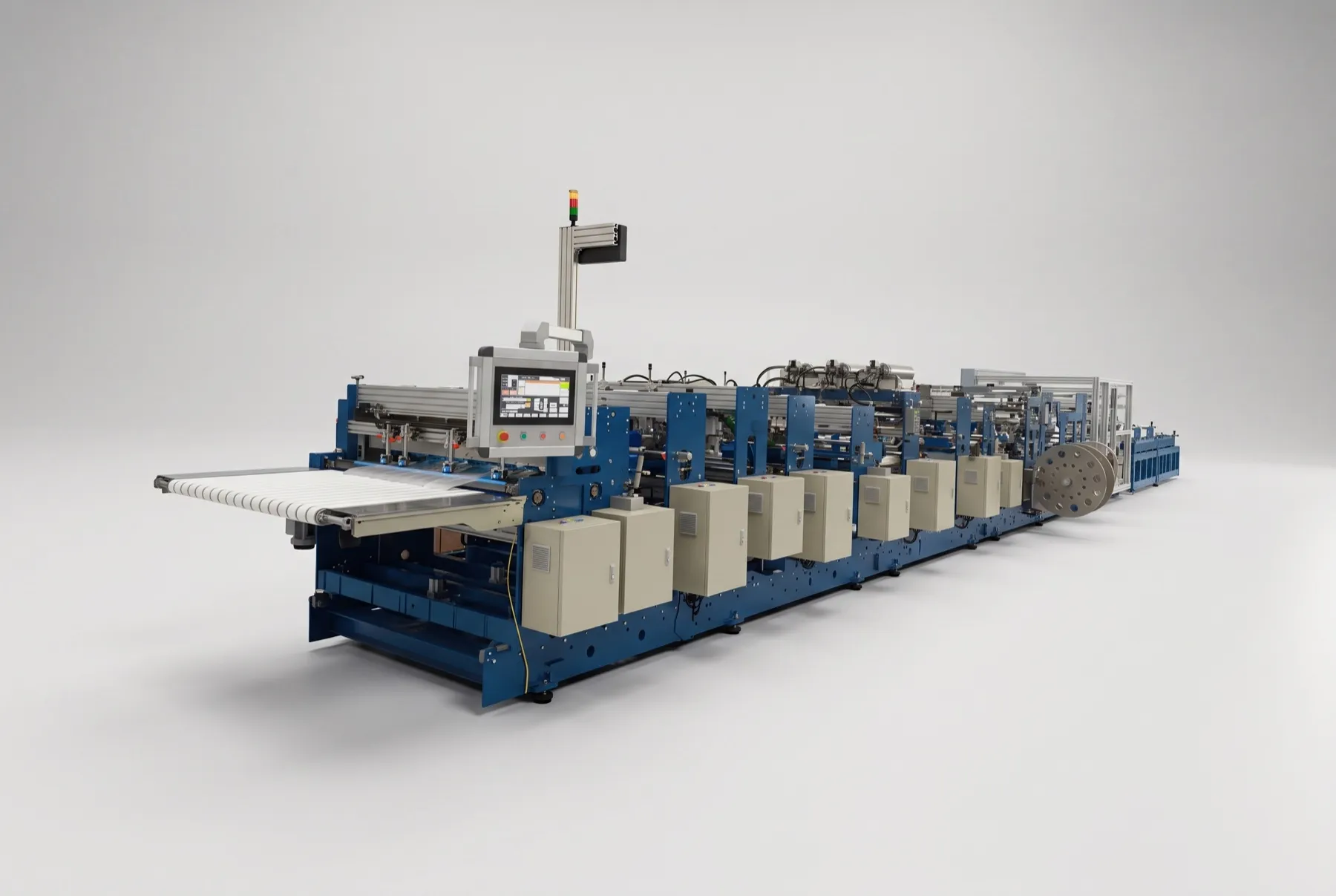
Both run on the DLP-1300 BIB without machine conversion, the change is handled by recipe management.
Volume ranges and matching machines
The volume class determines the machine more than the product does. Three models cover the spectrum:
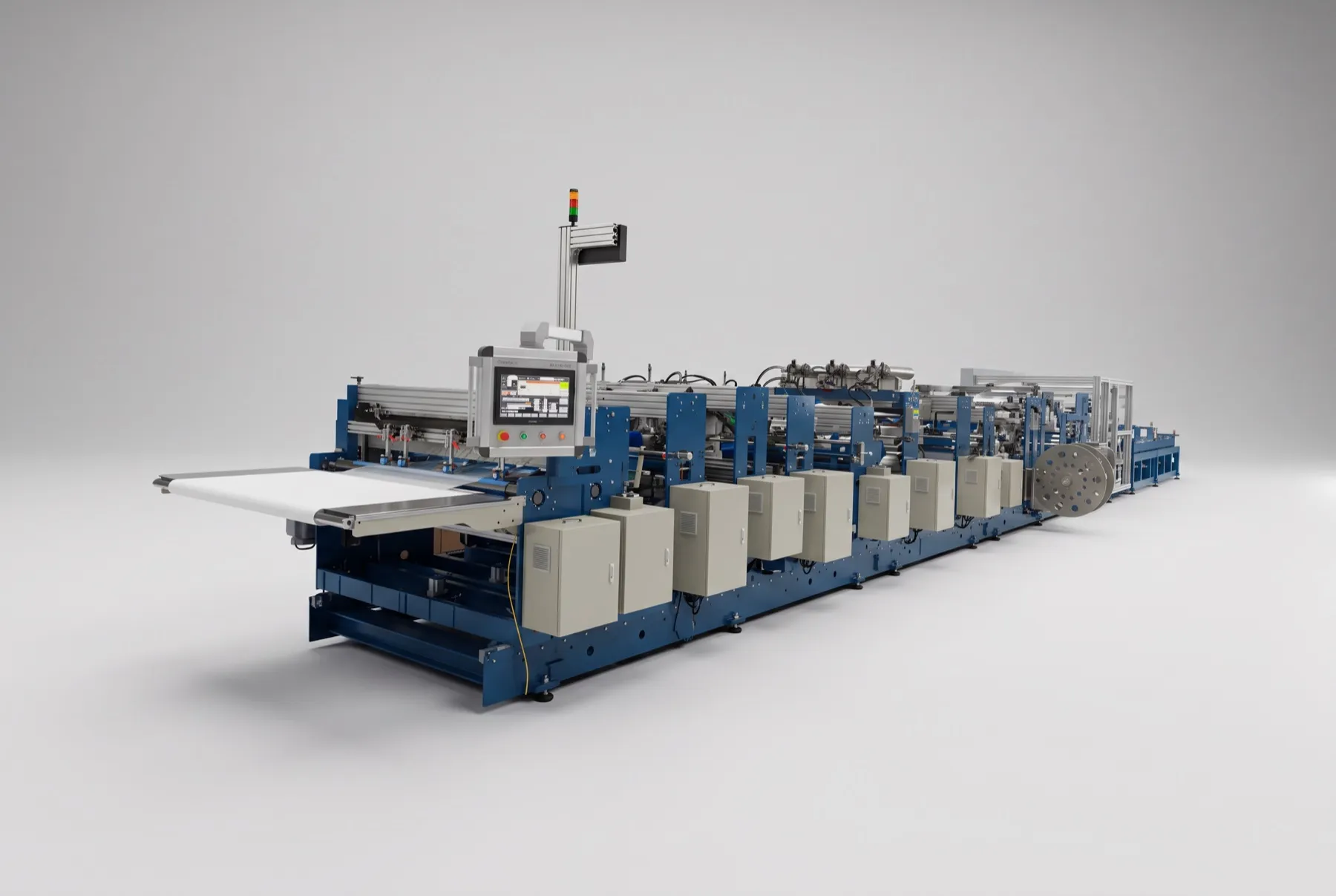
- Up to 25 litres, single bags, highest output: DLP-600 BIB
- Mid range, valve and spout, full material spectrum: DLP-1300 BIB
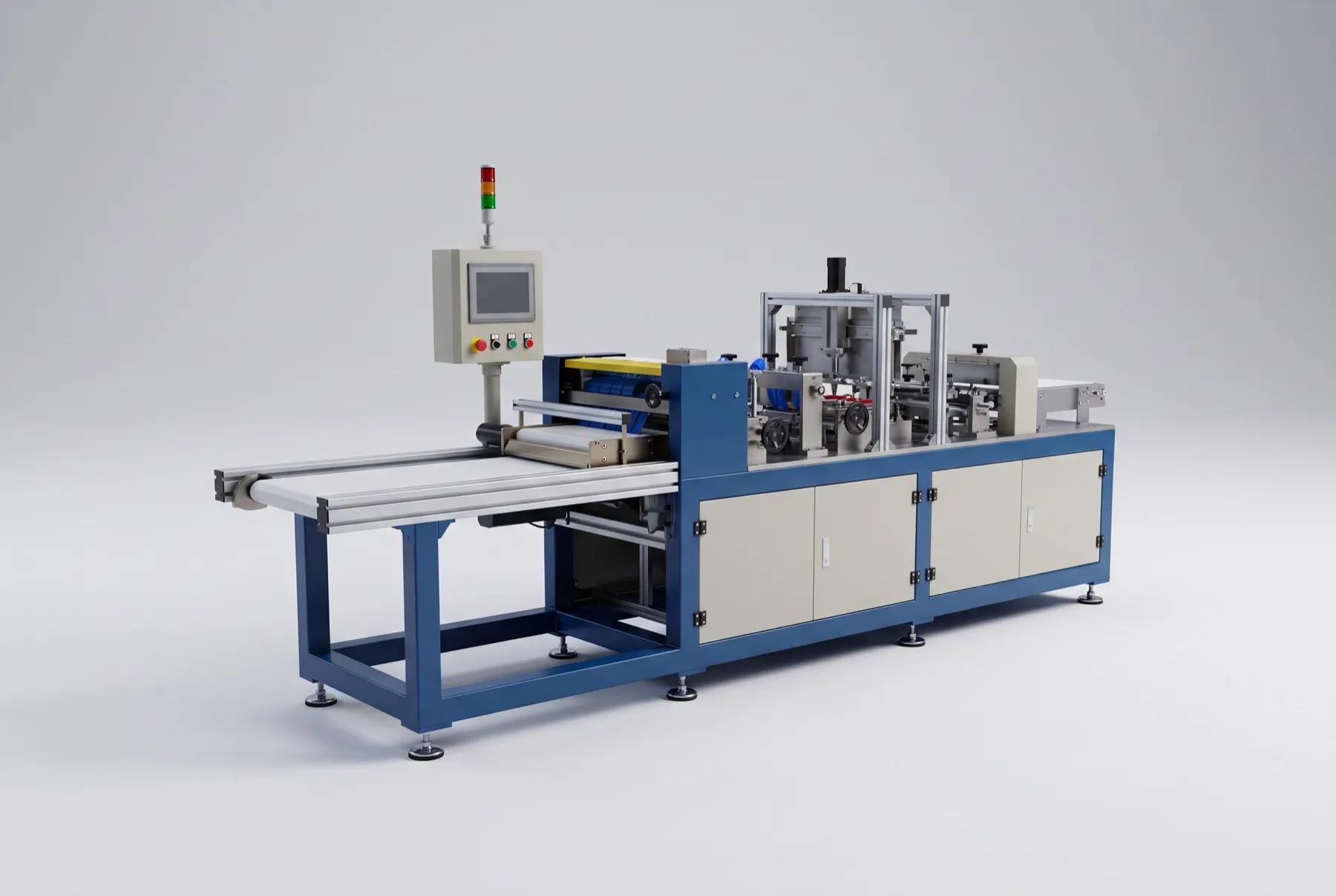
- Four 10-litre bags in parallel or horizontally up to 220 litres: DLP-1600 BIB
Material choice: barrier versus recyclability
For long shelf life, PET/AL/PE laminates or EVOH barrier films are used. They hold back oxygen effectively but are not recyclable as a single stream.
Pure PE mono-material is recyclable but offers a lower oxygen barrier. The decision follows the required shelf life, not the other way round. Both routes can be produced on the DLP-1300 BIB.
Frequently asked questions
How large can bag-in-box pouches be?
- Retail packs typically range from about 3 to 25 litres. Industrially larger formats are common: the DLP-1600 BIB produces bags up to 220 litres horizontally.
Is the carton produced on the machine too?
- No. DLP series machines produce the inner bag including valve or spout. The carton comes from a board supplier and the two are brought together during filling.
Is bag-in-box suitable for carbonated drinks?
- Standard BIB is designed for still liquids. Carbonated products require pressure-resistant special solutions and are not a typical application for this pack format.