Updated
Container liner or flexitank: deciding by the cargo
Container liners and flexitanks both go into a standard sea container but carry different cargo: container liners take bulk solids such as grain or granulate, flexitanks take liquids of roughly 16,000 to 24,000 litres. Geometry, film thickness and valve technology differ fundamentally.
The shared idea
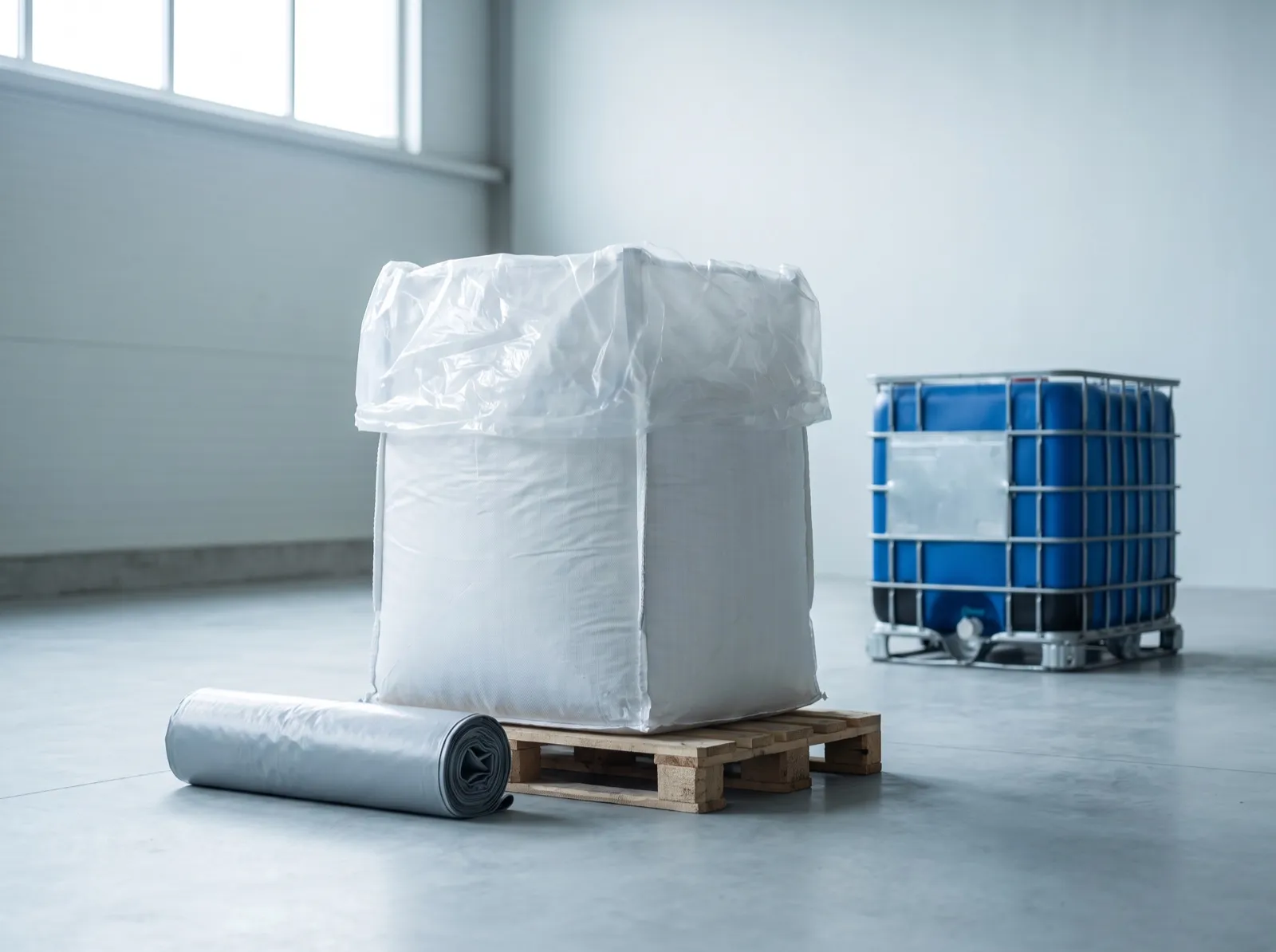
Both solutions replace individual containers with loose loading in a standard container. Instead of filling, palletising and stacking sacks, or filling, shipping, cleaning and returning drums and IBCs, the cargo goes straight into a bag inside the container.
The gain is the same: more payload per container, less handling, no return transport of empties.
Container liner: bulk solids
A container liner is a 3D large-format bag shaped to the container interior. It usually has two valves: one on top for filling through the container roof, one at the end wall for discharge at the door.
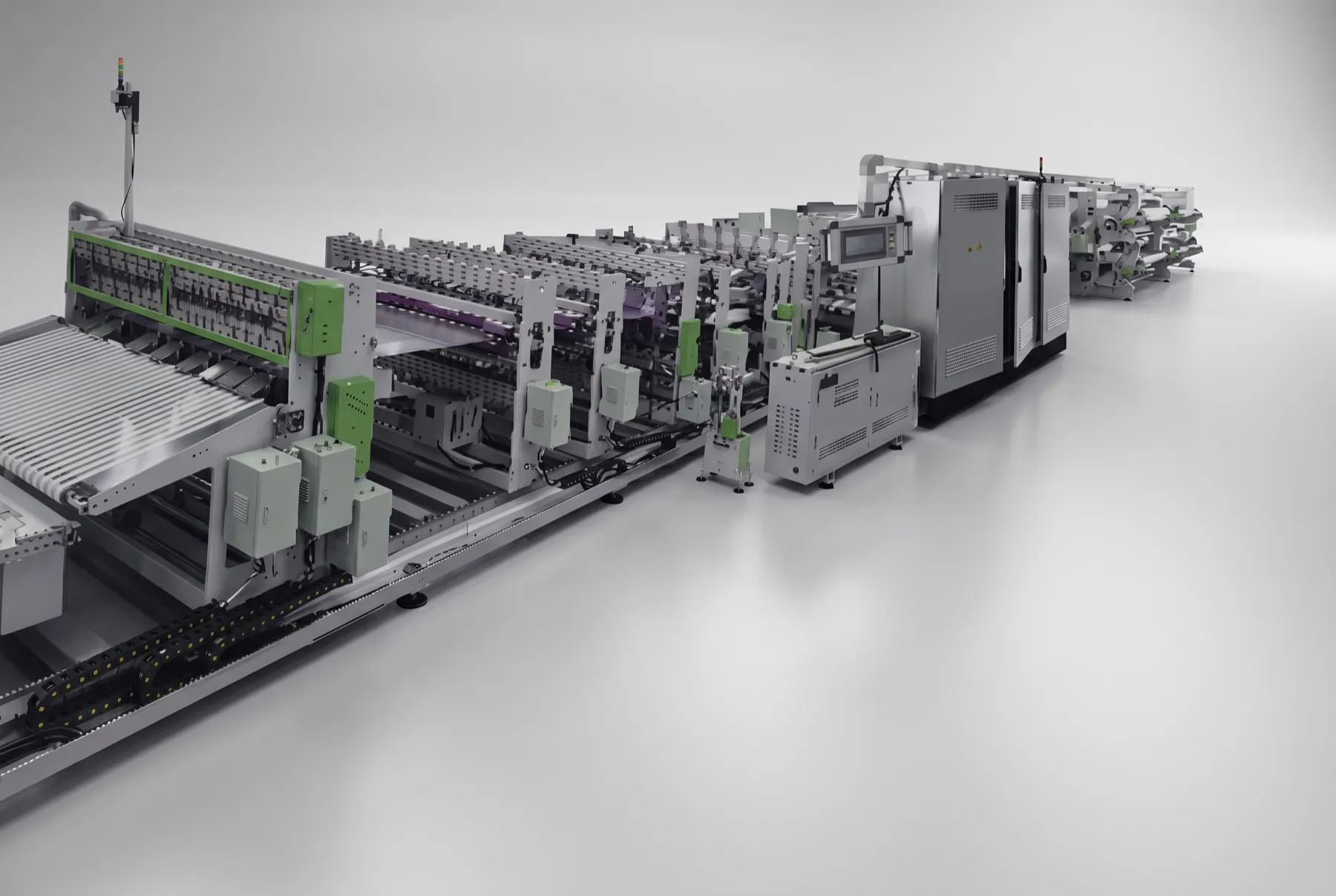
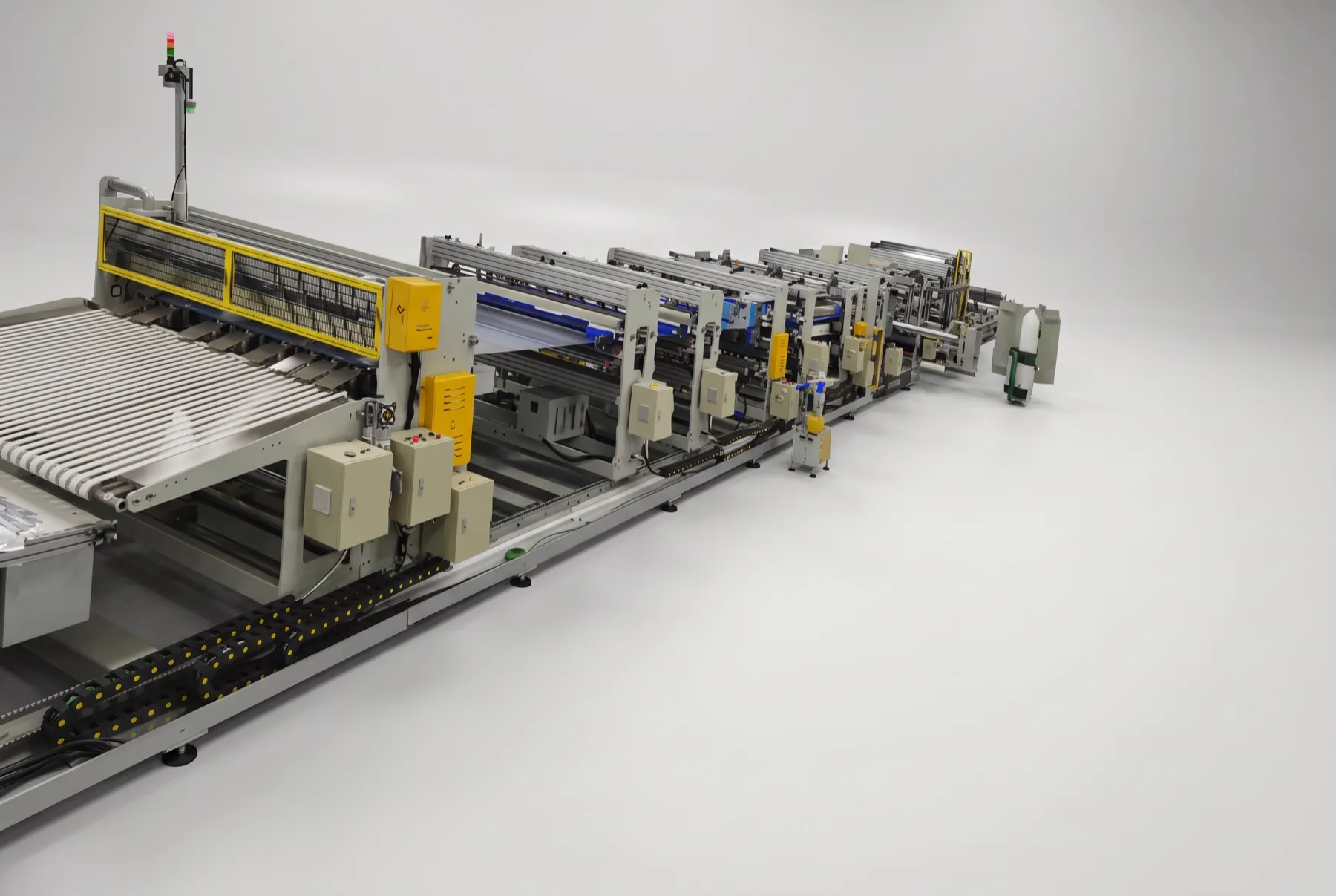
Shape is critical: a liner that collapses on the floor wastes payload. The DLP-2500 produces these liners fully automatically without operator intervention. With liner lengths in the tens of metres, manual handling is barely controllable anyway.
- Cargo: grain, rice, oilseeds, granulate, minerals, sugar, animal feed
- Geometry: 3D, shaped to the container cross-section
- Valves: two, top filling and end-wall discharge
- Container: 20 ft and 40 ft standard
Flexitank: liquids
A flexitank is a flat large-format bag for a 20 ft container holding roughly 16,000 to 24,000 litres. It replaces about twenty IBCs or eighty drums.
The load is a different order of magnitude: twenty tonnes of liquid slosh under braking and rolling. The film is therefore considerably thicker, multi-ply, and the surface is embossed. Embossing raises friction between layers so they shift less during sloshing, lowering shear load on the seams.
- Cargo: edible oil, wine, juice concentrate, non-hazardous liquid chemicals, latex
- Geometry: flat, filling the container floor
- Valves: two, top filling and bottom residual discharge
- Container: 20 ft standard, single use
Why no single product does both
Bulk solids load a liner statically and over an area; liquid loads it dynamically and locally. Bulk needs a volume that uses the container cross-section; liquid finds its own shape and presses against walls and doors.
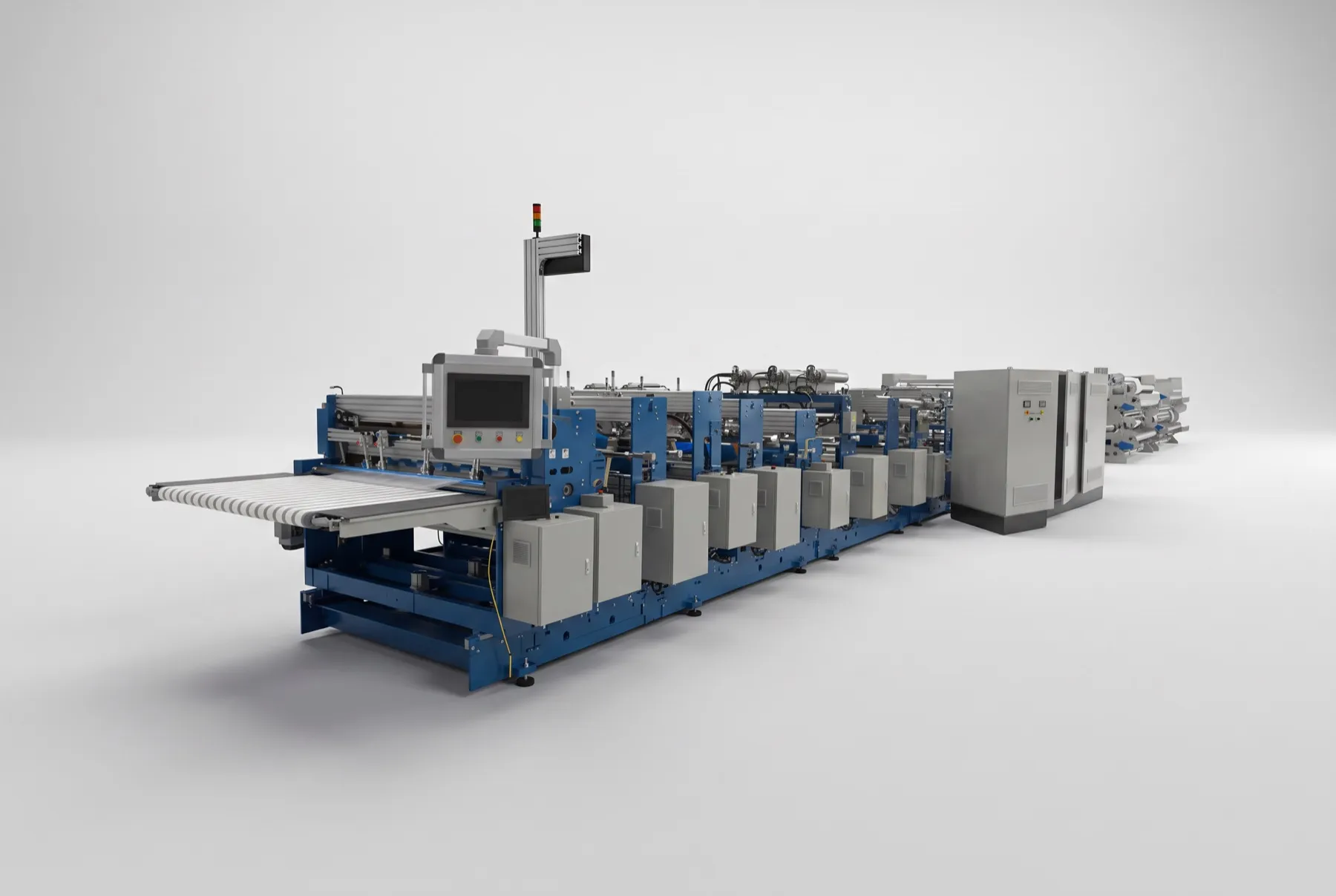
Film thickness, ply structure, seam layout and valve technology therefore differ fundamentally. The machines differ too: DLP-2500 for container liners, DLP-4000 for flexitanks.
Practical constraints
Flexitanks are single-use, which is precisely the advantage over IBCs: no cleaning, no return logistics. Admissibility for a specific product is governed by shipping-line rules and applicable transport regulations; the shipper verifies this.
For food-grade container liners the food-contact conformity of the film must also be documented. The declaration comes from the film supplier.
Frequently asked questions
How much payload does a container liner gain over sacks?
- The gain comes from eliminating sack material, pallets and void space. The specific figure depends on bulk density and the previous packing scheme and must be calculated per project.
Can a flexitank be used in a 40 ft container?
- The 20 ft container is standard because the floor area already exhausts the weight limit. A 40 ft container would exceed the permissible gross weight with the same cargo.
Are container liners reusable?
- Generally not. After discharge the liner is mechanically stressed and product-contaminated; it is treated as a single-use item.